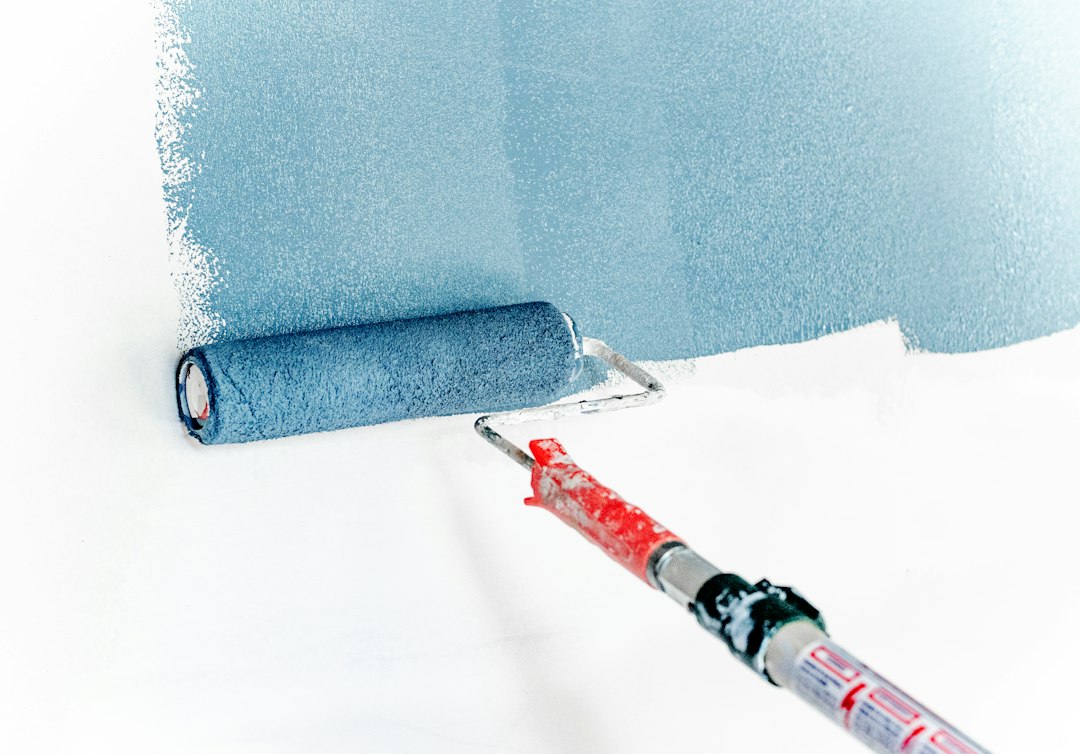
Washable paint has gained significant popularity among homeowners and professional painters alike due to its practicality and ease of maintenance. This type of paint is specifically formulated to withstand cleaning without compromising its appearance, making it an ideal choice for high-traffic areas such as kitchens, hallways, and children’s rooms. The unique properties of washable paint allow it to resist stains and marks, ensuring that walls remain fresh and vibrant over time. As a result, many individuals are turning to washable options to enhance the longevity of their interior spaces.
The formulation of washable paint typically includes a blend of resins and additives that provide a durable finish. Unlike traditional paints, which may require frequent touch-ups or complete repaints, washable paints can be easily wiped down with a damp cloth or sponge. This feature not only simplifies the cleaning process but also contributes to maintaining a home’s aesthetic appeal. Understanding the characteristics of washable paint is essential for anyone looking to make informed decisions about their painting projects.
When considering how to recognize the quality of a washable paint based on its coverage power, it’s essential to also think about how color choices can impact your overall design. For insights on effectively mixing and matching colors in your outfits, which can parallel the principles of selecting paint colors for your space, you can check out this related article: How to Mix and Match Colors in Your Outfits. Understanding color dynamics can enhance both your wardrobe and your home decor.
The Importance of Coverage Power in Paint Quality
Coverage power is a critical aspect of paint quality that directly influences the overall effectiveness of a painting project. It refers to the ability of paint to conceal the underlying surface with a single coat, thereby reducing the need for multiple applications. High coverage power not only enhances the efficiency of the painting process but also ensures a uniform finish that can elevate the visual appeal of any space. For homeowners and professionals alike, understanding coverage power is essential for achieving optimal results.
When selecting paint, coverage power can significantly impact both time and cost. A product with superior coverage power allows for quicker application, as fewer coats are needed to achieve the desired look. This efficiency can lead to substantial savings in labor and materials, making it a crucial consideration for anyone embarking on a painting project. Therefore, evaluating coverage power should be a priority when choosing paint, particularly for those seeking to maximize their investment.
What Does Coverage Power Mean?
Coverage power is defined as the extent to which a given quantity of paint can cover a specific area effectively. It is typically measured in square feet per gallon and indicates how well the paint can hide the surface beneath it. A higher coverage power means that less paint is required to achieve full opacity, which is particularly advantageous when working with darker colors or when painting over previously painted surfaces. Understanding this concept is vital for anyone looking to achieve a professional finish without unnecessary expenditure.
In practical terms, coverage power can vary significantly between different types of paint and brands. Factors such as the quality of pigments used, the formulation of the paint, and even the application method can all influence how well a paint covers a surface. For consumers, being aware of these nuances can lead to more informed purchasing decisions and ultimately better results in their painting endeavors.
Factors Affecting Coverage Power in Washable Paint
Several factors contribute to the coverage power of washable paint, each playing a vital role in determining how effectively the product performs. One primary factor is the quality of the pigments used in the formulation. High-quality pigments tend to provide better hiding capabilities, allowing for more effective coverage with fewer coats. Conversely, lower-quality pigments may require additional layers to achieve the same level of opacity, which can be both time-consuming and costly.
Another significant factor influencing coverage power is the viscosity of the paint. Thicker paints often provide better coverage due to their ability to adhere more effectively to surfaces and fill in imperfections. However, this thickness must be balanced with ease of application; overly thick paints can be challenging to work with and may lead to uneven finishes if not applied correctly. Additionally, environmental conditions such as temperature and humidity can also affect how well paint adheres and covers surfaces, making it essential for painters to consider these variables during application.
When considering how to recognize the quality of a washable paint based on its coverage power, it’s also beneficial to explore complementary topics that can enhance your understanding of interior design. For instance, an insightful article on mixing pastels and brights in your decor can provide valuable tips on how to effectively use color in your space. You can read more about this in the article here, which discusses how to create a harmonious balance between different color palettes while ensuring that the quality of your paint complements your overall design vision.
How to Test Paint Coverage at Home
Testing paint coverage at home can be an enlightening experience for anyone looking to understand how well a particular product performs before committing to a larger project. One effective method involves applying a small sample of the paint on an inconspicuous area of the wall or surface intended for painting. This allows individuals to observe how well the paint covers the existing color and texture without making a permanent commitment.
Another approach is to conduct a patch test using different brands or types of washable paint side by side. By applying equal amounts of each product on separate sections of the wall, one can compare their coverage power directly. Observing how each paint dries and how many coats are necessary for full opacity will provide valuable insights into which product offers the best performance for specific needs.
When considering how to recognize the quality of a washable paint based on its coverage power, it’s also beneficial to explore related topics that can enhance your understanding of interior design. For instance, creating a colorful and cozy reading nook can greatly benefit from the right choice of paint. You can find valuable insights in this article about designing such spaces, which emphasizes the importance of color selection and ambiance. To learn more, check out this informative piece on creating a colorful and cozy reading nook.
Comparing Coverage Power Across Different Brands
When it comes to comparing coverage power across various brands of washable paint, consumers often find significant differences in performance. Some brands may market themselves as premium options with superior coverage capabilities, while others may offer more budget-friendly alternatives that fall short in this regard. Conducting thorough research and reading reviews can help potential buyers identify which brands consistently deliver high coverage power.
Additionally, visiting local hardware stores or paint retailers can provide opportunities for hands-on comparisons. Many stores offer sample pots or swatches that allow customers to test different paints before making a purchase decision. Engaging with knowledgeable staff members can also yield insights into which brands have established reputations for excellent coverage power, helping consumers make informed choices tailored to their specific projects.
The Role of Paint Thickness and Pigmentation
The thickness and pigmentation of washable paint play crucial roles in determining its overall performance and coverage power. Thicker paints often contain higher concentrations of pigments and binders, which contribute to their ability to cover surfaces effectively. This thickness not only enhances hiding capabilities but also improves durability, allowing painted surfaces to withstand wear and tear over time.
Pigmentation is equally important; high-quality pigments provide vibrant colors while ensuring that the paint maintains its opacity after drying. Paints with lower-quality pigments may appear washed out or require multiple coats to achieve the desired hue. Therefore, when selecting washable paint, consumers should consider both thickness and pigmentation as key indicators of quality that will ultimately affect their painting experience.
Reading and Interpreting Paint Labels for Coverage Information
Understanding how to read and interpret paint labels is essential for consumers seeking information about coverage power. Most labels will indicate the estimated coverage per gallon, typically expressed in square feet. This figure provides a baseline for understanding how much area can be covered with one gallon of paint under ideal conditions.
Additionally, labels may include information about recommended application methods and drying times, which can also influence coverage outcomes. For instance, some paints may require specific tools or techniques for optimal application, while others may suggest multiple coats for achieving full opacity. By carefully examining these details on paint labels, consumers can make more informed decisions that align with their project goals.
Why High Coverage Power Saves Time and Money
Investing in washable paint with high coverage power can lead to significant savings in both time and money during painting projects. When a product effectively covers surfaces with fewer coats, it reduces labor costs associated with additional applications. This efficiency not only streamlines the painting process but also minimizes disruptions in daily life, particularly in busy households or commercial spaces.
Moreover, high coverage power translates into reduced material costs since less paint is needed overall. Homeowners can avoid purchasing extra gallons or spending time on unnecessary touch-ups, allowing them to allocate resources more effectively elsewhere in their projects. Ultimately, choosing paints with superior coverage capabilities can enhance both budget management and project timelines.
Additional Quality Indicators Beyond Coverage Power
While coverage power is undoubtedly an important factor in assessing paint quality, it is not the only consideration consumers should keep in mind. Other indicators such as durability, washability, and color retention also play significant roles in determining overall satisfaction with a product. For instance, a paint that offers excellent coverage but fails to withstand regular cleaning may not meet long-term expectations.
Additionally, factors like drying time and odor levels can impact the overall painting experience. Fast-drying paints allow for quicker project completion but may require careful application techniques to avoid streaks or uneven finishes. Similarly, low-odor formulations can enhance indoor air quality during painting projects, making them more appealing for residential use. By considering these additional quality indicators alongside coverage power, consumers can make well-rounded decisions that lead to successful outcomes.
Tips for Choosing the Best Washable Paint for Your Needs
Selecting the best washable paint requires careful consideration of various factors tailored to individual needs and preferences. First and foremost, consumers should assess the specific areas they plan to paint and consider factors such as traffic levels and exposure to moisture or stains. For high-traffic areas like hallways or children’s rooms, opting for paints with superior washability and durability will ensure long-lasting results.
Additionally, testing samples before committing to larger quantities is highly recommended. This allows individuals to evaluate color accuracy and coverage performance firsthand while also considering how different finishes—such as matte or satin—affect overall appearance. Engaging with knowledgeable staff at local retailers can provide valuable insights into product recommendations based on specific requirements.
Ultimately, choosing washable paint involves balancing factors such as coverage power, durability, ease of application, and aesthetic preferences. By taking these considerations into account, consumers can confidently select products that meet their needs while enhancing their living spaces for years to come.