
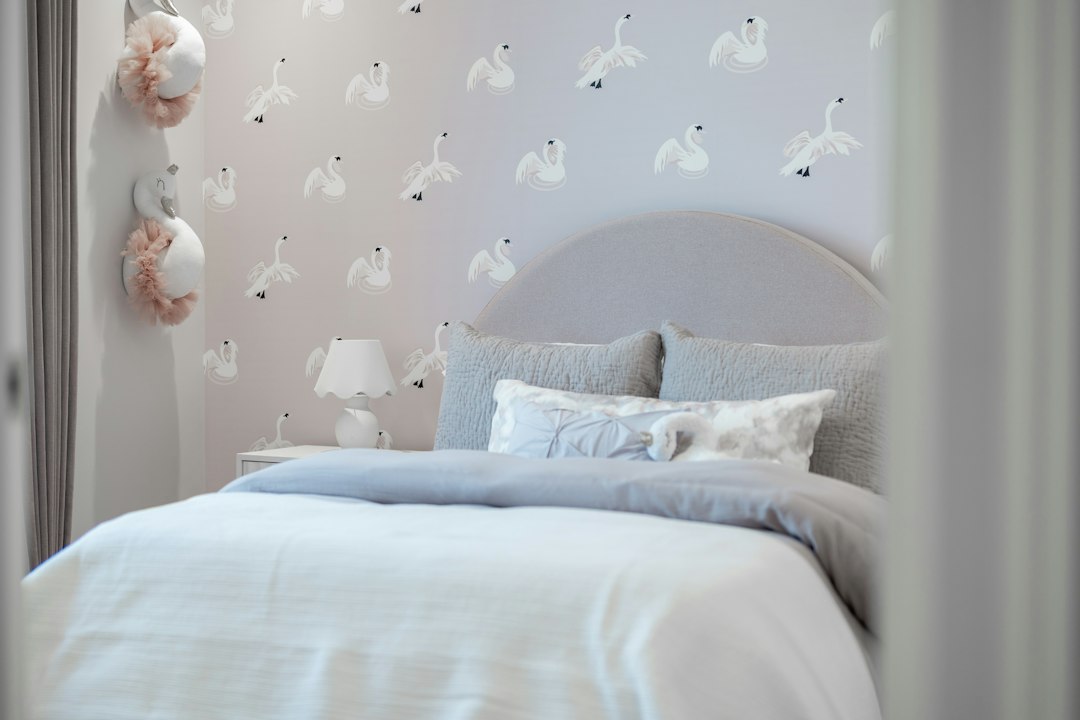
In the realm of interior design, the bedroom stands as a sanctuary, a personal retreat where individuals seek solace and rejuvenation. The choice of colors plays a pivotal role in establishing the atmosphere of this intimate space. Among the myriad of color palettes available, pale blue and gray emerge as particularly effective choices for creating a calm and serene environment. These hues evoke feelings of tranquility and relaxation, making them ideal for a bedroom setting. By thoughtfully incorporating these colors into the design, one can transform a simple room into a peaceful haven that promotes restful sleep and mental clarity.
The significance of color psychology cannot be overstated when it comes to designing a bedroom. Colors have the power to influence mood, emotions, and even physiological responses. Pale blue, reminiscent of clear skies and tranquil waters, instills a sense of calmness and serenity. Gray, on the other hand, serves as a neutral backdrop that complements various design elements while adding sophistication. Together, these colors create a harmonious balance that fosters relaxation and comfort, making them perfect for anyone looking to enhance their sleep environment.
To create a serene and calming atmosphere in your bedroom using soft shades of blue and gray, it’s essential to consider how these colors can influence your mood and overall well-being. For more tips on selecting the perfect paint colors for your space, you can check out this insightful article on wall painting techniques and color choices. It provides valuable guidance on how to effectively use color to enhance your living environment. For more details, visit The Ultimate Guide to Painting Your Walls.
Psychological Benefits of Pale Blue and Gray
The psychological impact of color is profound, particularly in spaces where individuals seek rest and rejuvenation. Pale blue is often associated with feelings of peace and tranquility. Studies have shown that this color can lower heart rates and reduce anxiety levels, making it an excellent choice for a bedroom. Its soft, soothing nature encourages relaxation, allowing individuals to unwind after a long day. Furthermore, pale blue can evoke feelings of spaciousness, making even smaller bedrooms feel more open and airy.
Gray complements pale blue beautifully, adding depth and sophistication to the overall design. This neutral hue is known for its versatility; it can be both calming and grounding. Gray tones can help to create a serene atmosphere by providing a subtle contrast to the lightness of pale blue. Together, these colors work synergistically to promote a sense of balance and harmony within the bedroom. The combination not only enhances the aesthetic appeal but also contributes to an overall feeling of well-being, making it easier for individuals to relax and prepare for sleep.
Choosing the Right Shades of Pale Blue
When selecting shades of pale blue for a bedroom, it is essential to consider the specific undertones that will best suit the desired ambiance. Soft shades like powder blue or sky blue can evoke feelings of serenity and openness, while slightly muted tones such as robin’s egg blue may add a touch of warmth without overwhelming the senses. The key is to choose shades that resonate with personal preferences while also aligning with the overall design vision.
In addition to personal taste, lighting plays a crucial role in how pale blue appears in a space. Natural light can enhance the brightness of these shades during the day, while artificial lighting can alter their perception in the evening. It is advisable to test paint samples on the walls at different times of day to see how they interact with the room’s lighting. This careful consideration ensures that the chosen shade of pale blue contributes positively to the calming atmosphere intended for the bedroom.
Selecting Complementary Gray Tones
Selecting complementary gray tones is equally important in achieving a cohesive and tranquil bedroom design. Gray comes in various shades, from light dove gray to deeper charcoal tones, each offering its unique character and mood. Lighter grays can enhance the airy feel created by pale blue, while darker grays can add depth and sophistication to the space. The choice should reflect not only personal style but also the overall balance desired within the room.
To create visual interest, layering different shades of gray can be an effective strategy. For instance, pairing light gray walls with darker gray furniture or accents can create a dynamic yet harmonious look. Additionally, incorporating textures through fabrics or materials in varying gray tones can add depth without overwhelming the senses. This thoughtful selection process ensures that gray complements pale blue effectively while contributing to an overall sense of calm.
Creating a serene environment in your bedroom can significantly enhance your overall well-being, and one effective way to achieve this is by incorporating soft shades of blue and gray. These colors not only evoke a sense of calm but also promote relaxation, making them ideal for a restful space. For additional tips on how to design a vibrant yet tranquil bedroom, you might find this article on creating a colorful and relaxing bedroom quite helpful. By blending these soothing hues with thoughtful decor, you can transform your sleeping area into a peaceful retreat.
Incorporating Pale Blue and Gray in Wall Colors
The walls of a bedroom serve as a canvas upon which the calming palette of pale blue and gray can be beautifully displayed. Painting walls in pale blue creates an inviting atmosphere that encourages relaxation and tranquility. This choice can make the room feel more expansive and airy, especially when paired with white trim or molding that enhances brightness.
Alternatively, opting for gray walls can provide a sophisticated backdrop that allows pale blue accents to shine through. A soft gray wall can create a cozy cocoon-like effect while still maintaining an open feel when paired with lighter furnishings. Accent walls painted in either color can also serve as focal points within the room, drawing attention to specific areas such as behind the bed or around windows. This strategic use of color on walls sets the tone for the entire space and establishes a calming environment conducive to restful sleep.
Bedding and Textiles: Soft Hues for Serenity
Bedding and textiles play a crucial role in reinforcing the calming palette established by pale blue and gray in a bedroom. Choosing bedding in soft hues that echo these colors can enhance the overall serenity of the space. Light blue sheets paired with gray duvet covers create a cohesive look that invites relaxation while providing comfort throughout the night.
In addition to color, texture is an essential consideration when selecting bedding and textiles. Soft fabrics such as cotton or linen not only feel luxurious against the skin but also contribute to an overall sense of calmness within the room. Layering different textures—such as incorporating knitted throws or plush pillows—can add depth and visual interest without detracting from the soothing atmosphere. This careful selection process ensures that every element within the bedroom contributes to a peaceful sleep environment.
Furniture Choices to Enhance a Calm Palette
The choice of furniture in a bedroom designed around pale blue and gray should complement the calming palette while also serving functional needs. Opting for furniture pieces in light woods or soft finishes can enhance the serene atmosphere created by these colors. For instance, a light oak bed frame or nightstands with a soft gray finish can seamlessly blend into the overall design while adding warmth.
Additionally, selecting furniture with clean lines and minimalistic designs can contribute to an uncluttered look that promotes relaxation. Avoiding overly ornate or heavy pieces helps maintain an airy feel within the space. Incorporating multifunctional furniture—such as storage ottomans or beds with built-in drawers—can also help keep clutter at bay, further enhancing the calming environment intended for restful sleep.
Lighting Tips for a Soothing Bedroom Ambiance
Lighting is another critical element in creating a soothing ambiance within a bedroom designed around pale blue and gray hues. Soft, warm lighting options are ideal for promoting relaxation as they mimic natural light during sunset hours. Incorporating dimmable fixtures allows individuals to adjust brightness levels according to their needs throughout different times of day.
Layering lighting sources can also enhance the overall atmosphere; combining overhead lighting with bedside lamps or wall sconces creates depth and warmth within the space. Choosing fixtures with soft shades or diffusers helps soften harsh light, contributing to an inviting environment conducive to winding down at night. By thoughtfully considering lighting options, one can further elevate the calming effects of pale blue and gray in their bedroom design.
Accessorizing with Pale Blue and Gray Accents
Accessorizing with accents in pale blue and gray provides an opportunity to infuse personality into the bedroom while reinforcing its calming palette. Decorative pillows in varying shades of blue or gray can add visual interest without overwhelming the senses. Artwork featuring serene landscapes or abstract designs in these colors can serve as focal points that draw attention while maintaining harmony within the space.
Incorporating natural elements—such as plants or wooden decor—can also enhance the calming atmosphere created by pale blue and gray accents. The addition of greenery not only adds life but also contributes to improved air quality, further promoting relaxation within the bedroom environment. Thoughtful accessorizing ensures that every element works together cohesively to create a peaceful retreat.
Creating Balance with Natural Elements
Integrating natural elements into a bedroom designed around pale blue and gray enhances its calming qualities while fostering a connection with nature. Incorporating wooden furniture or decor pieces adds warmth and texture that complements the cool tones of blue and gray beautifully. Natural materials such as rattan or wicker can also introduce organic shapes that soften hard lines within the space.
Additionally, incorporating plants into the design brings life into the room while promoting tranquility through their presence. Plants such as lavender or snake plants not only add visual appeal but also contribute to improved air quality—creating an even more serene environment conducive to restful sleep. By thoughtfully integrating natural elements into the design scheme, one can achieve balance and harmony within their calming bedroom retreat.
Final Touches for a Peaceful Sleep Environment
As one approaches the final stages of designing their calm bedroom retreat, attention to detail becomes paramount in creating an environment conducive to peaceful sleep. Small touches—such as scented candles or essential oil diffusers—can enhance relaxation through soothing aromas that promote tranquility before bedtime.
Additionally, ensuring that all elements within the room work harmoniously together is essential for achieving balance. From selecting artwork that resonates with personal style to arranging furniture in a way that promotes flow and ease of movement, every detail contributes to creating an inviting atmosphere where restful sleep is prioritized.
Ultimately, designing a calm bedroom using pale blue and gray involves thoughtful consideration at every stage—from color selection to accessorizing with natural elements—resulting in a serene sanctuary that nurtures both body and mind during moments of rest.


