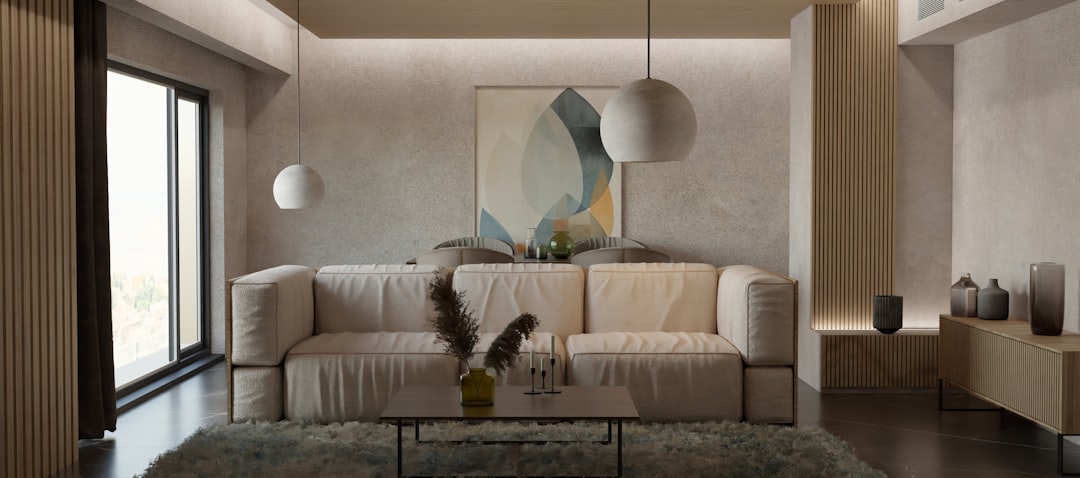
Testing paint samples is a crucial step in any painting project, whether it involves a single room or an entire home. The significance of this process cannot be overstated, as it allows individuals to visualize how a color will look in their specific environment before committing to a full application. By testing samples, one can avoid the common pitfalls of choosing a color that may appear appealing in a store but fails to resonate once applied to the walls. This proactive approach not only saves time and money but also ensures satisfaction with the final result.
Moreover, testing paint samples provides an opportunity to assess how different colors interact with the existing elements of a space. Factors such as lighting, furniture, and architectural features can dramatically alter the perception of color. By applying samples directly to the wall, individuals can observe how the hues change throughout the day and in various lighting conditions. This hands-on experience is invaluable, as it empowers homeowners to make informed decisions that align with their personal style and the overall aesthetic of their living spaces.
If you’re looking for practical guidance on testing paint samples directly on your walls before making a purchase, you might find the article “How to Choose the Best Colors for Your Makeup” insightful as it discusses the importance of color selection in a different context. Understanding color theory can enhance your ability to make informed choices when selecting paint for your home. You can read the article here: How to Choose the Best Colors for Your Makeup.
Choosing the Right Paint Samples
Selecting the right paint samples is an essential part of the testing process. With an overwhelming array of colors and finishes available, narrowing down options can be daunting. It is advisable to start by considering the mood and atmosphere one wishes to create in the space. For instance, soft pastels may evoke a sense of calm, while bold, vibrant colors can energize a room. By identifying the desired emotional impact, individuals can more easily filter through the myriad of choices.
In addition to mood, it is important to take into account the size and function of the room. Lighter colors can make small spaces feel larger and more open, while darker shades can add warmth and intimacy. Furthermore, individuals should consider how the chosen colors will complement existing furnishings and decor. Bringing home a few sample swatches or small paint pots can facilitate this decision-making process, allowing for a more personalized approach to color selection.
Preparing the Wall for Testing
Before applying paint samples, proper wall preparation is essential to ensure accurate results. The surface should be clean, dry, and free from any imperfections that could affect the appearance of the paint. This may involve washing the walls with soap and water to remove dust and grease or patching any holes or cracks with spackle. A smooth surface allows for even application and better adherence of the paint, which ultimately leads to a more accurate representation of how the color will look once fully applied.
Additionally, it is advisable to apply a primer if transitioning from a dark color to a lighter one or if the wall has never been painted before. Primer helps to create a uniform base that enhances color vibrancy and coverage. By taking these preparatory steps seriously, individuals can ensure that their testing process yields reliable results, making it easier to visualize how their chosen colors will ultimately transform their space.
Applying the Paint Samples
Once the wall is prepared, it is time to apply the paint samples. Using a small brush or roller, individuals should apply patches of each color in an area that receives ample natural light. It is recommended to paint swatches that are at least two feet by two feet in size; this allows for a better visual representation of how the color will appear on a larger scale. Care should be taken to apply an even coat, as uneven application can lead to misleading perceptions of color.
When applying multiple samples, it is wise to space them apart to avoid confusion when evaluating them later. Labeling each swatch can also help keep track of which colors are which, especially if several options are being tested simultaneously. This methodical approach not only aids in organization but also enhances the overall effectiveness of the testing process.
If you’re considering testing paint samples directly on your walls before making a purchase, you might find it helpful to read a related article that offers insights on how to create colorful artwork. This resource provides valuable tips that can enhance your understanding of color application and design, making it easier to choose the perfect shade for your space. For more information, check out the article on creating colorful artwork.
Observing the Paint Samples in Different Lighting
One of the most critical aspects of evaluating paint samples is observing them under various lighting conditions. Natural light can significantly alter how colors appear throughout the day; what looks vibrant in bright sunlight may seem muted in shadowy corners or artificial light. Therefore, it is essential to assess each sample at different times of day—morning, afternoon, and evening—to gain a comprehensive understanding of how each color behaves.
In addition to natural light, individuals should also consider how their chosen light fixtures affect color perception. Incandescent bulbs tend to warm up colors, while fluorescent lights can make them appear cooler or harsher. By taking note of these variations, homeowners can make more informed decisions about which colors will work best in their specific lighting scenarios.
When considering the best approach to test paint samples directly on your walls before making a purchase, you might find it helpful to read a related article that offers insights on color mixing and bold decor choices. This article provides practical tips that can enhance your understanding of how different shades interact with each other in your space. For more information, you can check out this helpful resource on mixing bold colors in your decor.
Evaluating the Color in Different Times of the Day
As daylight shifts throughout the day, so too does the appearance of paint colors on walls. Morning light tends to be cooler and softer, while afternoon sunlight is often brighter and more intense. Evening light can cast warm tones that may enhance or diminish certain hues. By evaluating paint samples at these different times, individuals can observe how each color transforms and whether it aligns with their vision for the space.
This evaluation process is particularly important for rooms that are used at various times throughout the day. For example, a living room that receives morning sunlight may feel entirely different in the evening when illuminated by lamps or overhead fixtures. By taking these factors into account, homeowners can select colors that maintain their appeal regardless of when they are viewed.
Considering the Surrounding Decor
When testing paint samples, it is vital to consider how they will interact with existing decor and furnishings within the space. The colors of furniture, artwork, and textiles can significantly influence how a wall color is perceived. For instance, a bold accent wall may clash with muted furniture or compete with vibrant artwork if not carefully chosen.
To ensure harmony within the space, individuals should take time to evaluate how each paint sample complements or contrasts with surrounding elements. Bringing fabric swatches or photos of existing decor into consideration during this phase can help create a cohesive look that reflects personal style while enhancing overall aesthetics.
Assessing the Paint Samples for Durability
While color selection is paramount, durability should not be overlooked when testing paint samples. Different types of paint have varying levels of durability based on their formulation and finish. For instance, high-gloss paints are often more resistant to stains and easier to clean than matte finishes but may not provide the same depth of color.
Individuals should inquire about the longevity and maintenance requirements of each sample they are considering. This includes understanding how well each paint holds up against wear and tear over time, especially in high-traffic areas like hallways or children’s rooms. By assessing durability alongside aesthetics, homeowners can make choices that not only look good but also stand the test of time.
Comparing Different Brands and Finishes
As part of the testing process, comparing different brands and finishes is essential for making an informed decision. Each brand has its unique qualities regarding coverage, texture, and ease of application. Some brands may offer superior pigmentation or better performance in specific environments than others.
Additionally, finishes play a significant role in both appearance and functionality. A satin finish may provide a soft sheen that reflects light beautifully while being easy to clean, whereas an eggshell finish offers a more subtle glow with slightly less durability. By exploring various brands and finishes during the testing phase, individuals can identify which options best meet their needs and preferences.
Seeking Feedback from Others
Once paint samples have been applied and evaluated, seeking feedback from others can provide valuable insights that may have been overlooked during personal assessments. Friends or family members may offer fresh perspectives on color choices or highlight aspects that resonate well with them.
It is important to gather feedback from individuals who understand personal style preferences but also those who may have different tastes. This diverse input can help refine choices and lead to a more well-rounded decision-making process. However, it is essential for individuals to remain true to their vision while considering constructive criticism.
Making the Final Decision
After thorough testing and evaluation of paint samples, individuals are finally ready to make their final decision. This moment should be approached with confidence, knowing that extensive research and careful consideration have gone into selecting the perfect color for their space. It is advisable to take one last look at all tested options under various lighting conditions before committing.
Once a decision has been made, individuals should feel excited about moving forward with their painting project. The chosen color will not only enhance their living environment but also reflect their personality and style preferences. With careful planning and thoughtful execution throughout the testing process, homeowners can transform their spaces into beautiful havens that they will enjoy for years to come.