
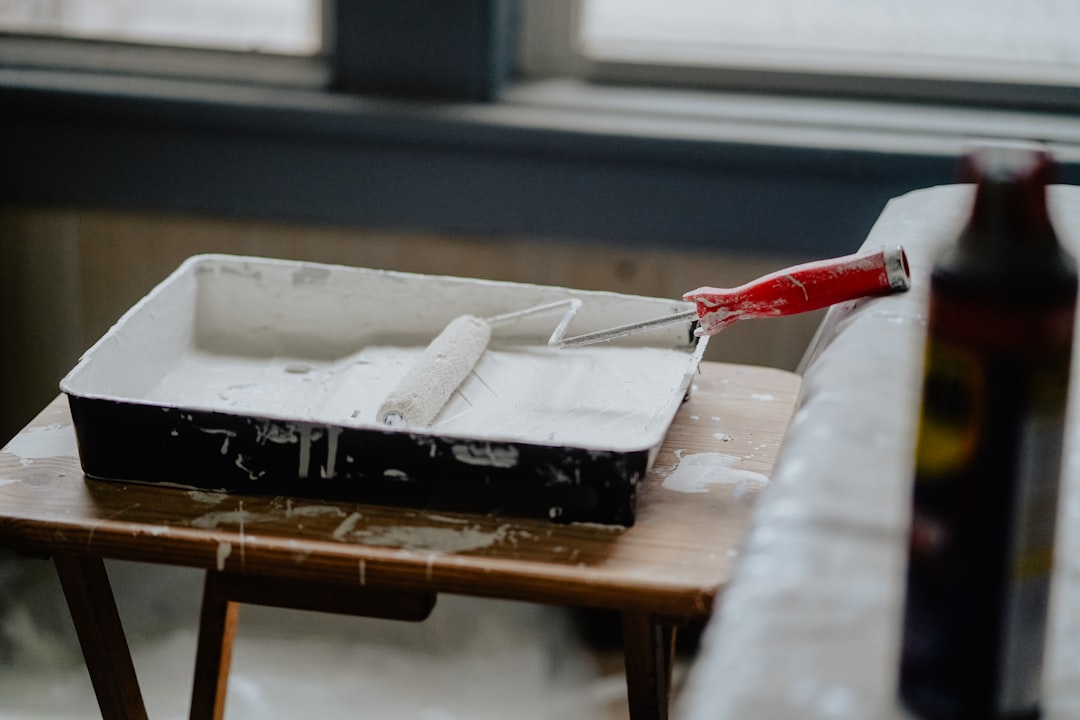
Before embarking on a painting project, it is essential to prepare the room adequately. This initial step sets the stage for a successful transformation, ensuring that the environment is conducive to painting. First, one should remove all furniture and decor items from the space. If moving larger pieces is impractical, it is advisable to gather them in the center of the room and cover them with drop cloths or plastic sheeting. This not only protects them from paint splatters but also creates a clear workspace, allowing for easier movement and access to all areas that require attention.
In addition to clearing the room, it is important to assess the walls and ceilings for any imperfections that may need addressing. This includes checking for cracks, holes, or peeling paint. Taking the time to inspect these surfaces can save considerable effort later on, as it allows for necessary repairs to be made before any paint is applied. Furthermore, ensuring that the room is well-ventilated will help in managing fumes and drying times, making the painting process more pleasant and efficient.
If you’re looking to enhance your home with a fresh coat of paint without hiring a professional painter, you might find the article “Practical Tips for Painting Walls Without a Professional Painter” particularly useful. Additionally, if you’re interested in creating a cohesive aesthetic that includes your pets, you can explore how to choose the best colors for your pet’s accessories in this insightful article: How to Choose the Best Colors for Your Pet’s Accessories. This can help you ensure that your home decor and your pet’s items complement each other beautifully.
Choosing the Right Paint and Tools
Selecting the appropriate paint and tools is crucial for achieving a professional finish. The type of paint chosen will depend on various factors, including the room’s purpose, lighting conditions, and desired aesthetic. For instance, high-gloss finishes are often ideal for kitchens and bathrooms due to their durability and ease of cleaning, while matte finishes may be more suitable for living rooms or bedrooms where a softer look is desired. Additionally, one must consider whether to use water-based or oil-based paints, as each has its own set of advantages and disadvantages.
Equally important is the selection of tools. A high-quality paintbrush and roller can make a significant difference in the application process. Brushes come in various sizes and shapes, each designed for specific tasks; for example, angled brushes are perfect for cutting in around edges, while wider brushes are better suited for larger areas. Rollers are also available in different nap lengths, which affect how much paint they hold and how smooth the finish will be. Investing in good tools not only enhances the painting experience but also contributes to a more polished final result.
Preparing the Walls
Once the room is cleared and the right materials have been chosen, attention turns to preparing the walls themselves. This step is vital for ensuring that the paint adheres properly and that the final appearance is smooth and even. The first task involves cleaning the walls to remove dust, dirt, and grease that may have accumulated over time. A simple solution of warm water and mild detergent can be used for this purpose, followed by rinsing with clean water to eliminate any soap residue.
After cleaning, any imperfections on the walls should be addressed. This may involve filling in holes or cracks with spackle or joint compound. Once these repairs have dried, sanding them down will create a smooth surface that blends seamlessly with the surrounding wall. Additionally, if the existing paint is glossy or has a textured finish, it may be necessary to lightly sand these areas to promote better adhesion of the new paint. Taking these preparatory steps ensures that the walls are in optimal condition for painting.
Protecting Floors and Furniture
Protecting floors and furniture is an essential aspect of any painting project. Even with careful application, paint can easily splatter or drip onto surfaces that are not adequately covered. To prevent this from happening, it is advisable to lay down drop cloths or plastic sheeting over floors. Canvas drop cloths are particularly effective as they absorb spills and provide a non-slip surface, while plastic sheeting can be used for quick coverage of larger areas.
In addition to floor protection, furniture should also be safeguarded from potential damage. If items cannot be moved out of the room entirely, they should be covered with old sheets or plastic covers to shield them from paint splatters. It is also wise to remove any wall hangings or fixtures that could obstruct the painting process or become damaged during the project. By taking these precautions, one can focus on painting without worrying about accidental messes or damage to valuable belongings.
If you’re looking to enhance your home with a fresh coat of paint without hiring a professional painter, you might find some useful tips in the article titled “Practical Tips for Painting Walls Without the Need for a Professional Painter.” Additionally, understanding how color can influence your mood can further guide your choices. For more insights on this topic, check out this article on how to use color to boost your mood here.
Mixing and Diluting Paint
With everything prepared, it is time to mix and dilute the paint as necessary. Properly mixing paint ensures a uniform color and consistency throughout the application process. Most paints come with instructions regarding how to mix them; typically, this involves stirring thoroughly with a paint stick until any settled pigments are fully incorporated. For those using multiple cans of paint for a larger project, it may be beneficial to combine them into one container to ensure color consistency across all areas being painted.
Diluting paint can also be necessary depending on the type of finish desired and the application method being used. Water-based paints may require some thinning if they are too thick for easy application with a roller or brush. However, it is crucial to follow manufacturer guidelines when diluting paint; adding too much water can compromise its integrity and coverage ability. By taking care during this step, one can ensure that the paint will apply smoothly and evenly.
If you’re looking to enhance your home with a fresh coat of paint without hiring a professional painter, you might find some valuable tips in the article about creating a colorful and cozy reading nook. This resource provides insights on selecting the right colors and techniques that can transform your space while keeping the project manageable. To explore more about designing inviting areas in your home, check out the full article here.
Applying Primer
Applying primer is a critical step that should not be overlooked in any painting project. Primer serves as a preparatory coat that enhances paint adhesion while also providing a uniform base for the topcoat. It is especially important when transitioning from a dark color to a lighter one or when painting over surfaces that have never been painted before. The primer helps to seal porous surfaces and prevents stains from bleeding through the final coat of paint.
When applying primer, it is essential to use the right tools for optimal results. A roller can cover large areas quickly, while a brush is ideal for corners and edges where precision is required. Care should be taken to apply an even coat without overloading the brush or roller, as this can lead to drips and uneven coverage. Once applied, allowing sufficient drying time before moving on to the topcoat will ensure that the primer has set properly and will contribute to a flawless finish.
Cutting In
Cutting in refers to the technique of painting edges and corners before using a roller on larger wall sections. This step is crucial for achieving clean lines and preventing paint from bleeding onto adjacent surfaces such as trim or ceilings. To cut in effectively, one should use an angled brush that allows for greater control when navigating tight spaces. Starting at the top of the wall near the ceiling, one should carefully apply paint along edges using smooth strokes.
It is advisable to work in small sections when cutting in, as this allows for better blending with the subsequent roller application. After cutting in around windows, doors, and baseboards, it is important to immediately follow up with a roller while the paint is still wet; this helps to blend any lines created by the brushwork and creates a seamless transition between different application methods. Mastering this technique can significantly enhance the overall appearance of a painted room.
Rolling the Paint
Once cutting in has been completed, rolling on the paint can begin in earnest. Using a roller allows for quick coverage of large wall areas while providing an even finish when done correctly. It is essential to load the roller with an appropriate amount of paint; too much can lead to drips, while too little may result in streaks or uneven coverage. A good technique involves rolling the roller back and forth in a tray before applying it to the wall.
When rolling on paint, one should work in sections, typically starting from one corner of the wall and moving horizontally across before working downwards in overlapping strokes. This method helps ensure that each section blends seamlessly into the next without leaving visible lines or marks. Additionally, maintaining a wet edge—where fresh paint meets previously applied paint—will help avoid lap marks as one progresses around the room.
Adding Additional Coats
After allowing sufficient drying time between coats, it may be necessary to apply additional layers of paint for optimal coverage and color depth. The number of coats required will depend on various factors such as the color being used, the type of surface being painted, and personal preference regarding finish intensity. Generally speaking, two coats are recommended for most projects; however, darker colors may require three or more applications to achieve full opacity.
When applying additional coats, it is important to follow similar techniques as used during the first application—cutting in around edges before rolling on larger areas ensures consistency throughout each layer. Each coat should be allowed ample drying time before proceeding with subsequent applications; this not only helps achieve better adhesion but also allows for any imperfections to be addressed before moving forward.
Cleaning Up
Once all coats have been applied and dried satisfactorily, it is time to tackle cleanup—a task that can often feel daunting after an extensive painting project. However, taking care during this phase ensures that tools are preserved for future use while maintaining a tidy workspace. First and foremost, brushes and rollers should be cleaned immediately after use; water-based paints can typically be washed out with soap and water, while oil-based paints require solvents such as mineral spirits.
In addition to cleaning tools, any drop cloths or protective coverings should be removed carefully to avoid spilling any trapped paint onto floors or furniture beneath them. It is also wise to dispose of any leftover paint according to local regulations; many communities offer recycling programs for unused materials. By taking these steps seriously during cleanup, one can ensure that their painting experience ends on a positive note.
Final Touches and Inspection
The final touches of a painting project are often what elevate it from good to great. After all coats have dried completely, it is essential to inspect every inch of painted surfaces for any missed spots or imperfections that may need addressing. A keen eye will help identify areas where touch-ups are necessary—this could include small drips or uneven patches that were not visible during earlier stages of application.
Once any touch-ups have been completed and allowed to dry thoroughly, it’s time to reattach any fixtures or decor items that were removed prior to painting. This final step allows homeowners or decorators alike to see their hard work come together as they reintroduce elements that complement their newly painted space beautifully. With everything back in place and an eye for detail applied throughout each stage of preparation and execution, one can take pride in their freshly transformed room—a testament to their effort and creativity.

