
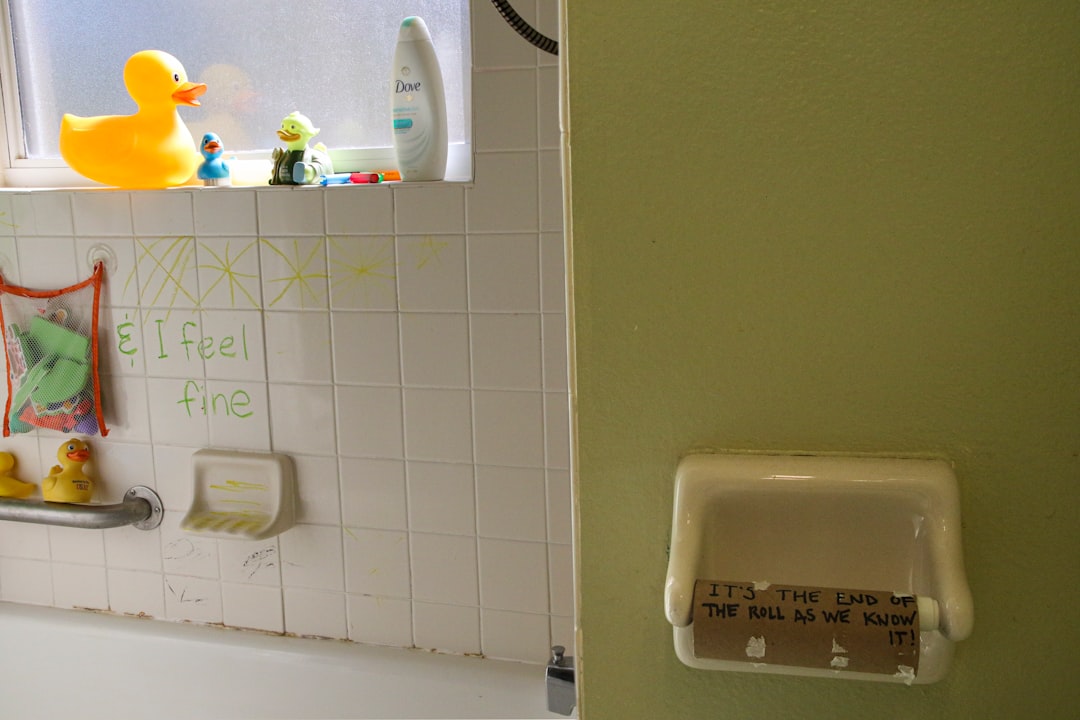
Prepping bathroom walls is a crucial step in ensuring a successful painting project. The bathroom is a unique environment characterized by high humidity and frequent temperature fluctuations, which can significantly impact the longevity and appearance of paint. Proper preparation not only enhances the aesthetic appeal of the space but also protects the underlying structure from moisture damage. When walls are not adequately prepped, paint can peel, bubble, or fade, leading to costly repairs and a less-than-desirable appearance.
Moreover, the importance of prepping bathroom walls extends beyond mere aesthetics. It serves as a preventive measure against mold and mildew, which thrive in damp conditions. By taking the time to prepare the walls correctly, homeowners can create a barrier that minimizes the risk of these unwanted growths. This preparation phase sets the foundation for a successful painting job, ensuring that the final result is both beautiful and durable.
If you’re looking to enhance your bathroom’s aesthetic while ensuring durability against moisture, you might find it helpful to read an article on creating colorful decorations for your home. This resource offers tips that can inspire you to choose the right colors and designs that complement your newly painted bathroom. Check out the article here: Tips for Creating Colorful Holiday Decorations.
Choosing the Right Paint for Moisture-Resistant Color
Selecting the appropriate paint for bathroom walls is essential for achieving a moisture-resistant finish. Not all paints are created equal; some are specifically formulated to withstand the challenges posed by high humidity levels. When choosing paint, it is vital to look for products labeled as “moisture-resistant” or “bathroom paint.” These paints typically contain additives that help prevent mold and mildew growth while providing a durable finish that can endure the rigors of daily use.
In addition to moisture resistance, color selection plays a significant role in the overall ambiance of the bathroom. Lighter colors can create an illusion of space and brightness, making smaller bathrooms feel more open and inviting. Conversely, darker shades can add depth and sophistication but may require more maintenance to keep them looking fresh. Ultimately, homeowners should consider both functionality and aesthetics when selecting paint for their bathroom walls, ensuring that they choose a product that meets their needs while enhancing the room’s overall design.
Cleaning and Repairing the Walls
Before applying any paint, it is essential to clean and repair the walls thoroughly. Over time, bathrooms can accumulate soap scum, mildew, and other residues that can hinder paint adhesion. A simple solution of warm water and mild detergent can effectively remove these contaminants. Homeowners should scrub the walls gently with a sponge or cloth, paying special attention to corners and areas around fixtures where grime tends to build up. Once cleaned, rinsing with clean water is crucial to remove any soap residue that could interfere with the painting process.
In addition to cleaning, repairing any imperfections in the walls is vital for achieving a smooth finish. Homeowners should inspect their walls for cracks, holes, or peeling paint. Small cracks can be filled with spackling compound or caulk, while larger holes may require patching with drywall or a similar material. After repairs are made, sanding the surface smooth will help create an even base for painting. This attention to detail during the cleaning and repair phase will pay off in the long run, resulting in a professional-looking finish that stands up to the challenges of a bathroom environment.
Applying a Primer
Applying a primer is an often-overlooked step in the painting process that can significantly enhance the final result. Primer serves as a preparatory coat that improves paint adhesion and provides a uniform surface for the topcoat. In bathrooms, where moisture resistance is paramount, using a high-quality primer designed for humid environments is particularly important. This type of primer not only helps seal the surface but also acts as an additional barrier against moisture penetration.
When applying primer, homeowners should use a brush or roller to ensure even coverage across all surfaces. It is essential to follow the manufacturer’s instructions regarding drying times before proceeding with the topcoat application. A well-applied primer will not only enhance the durability of the paint but also improve its color vibrancy and overall appearance. By investing time in this preparatory step, homeowners can achieve a more professional finish that will last for years to come.
When considering how to prep pereții din baie pentru o culoare rezistentă la umezeală, it can be beneficial to explore related topics that enhance your home environment. For instance, creating a colorful and inviting workspace can significantly improve your mood and productivity. You can find useful tips on this subject in the article How to Create a Colorful and Inviting Workspace, which offers insights into selecting the right colors and designs that can complement your bathroom renovations as well.
Using Moisture-Resistant Paint
Once the primer has dried, it is time to apply moisture-resistant paint to the bathroom walls. This type of paint is specifically formulated to withstand high humidity levels and resist mold and mildew growth. When selecting moisture-resistant paint, homeowners should consider factors such as finish type—satin or semi-gloss finishes are often recommended for bathrooms due to their durability and ease of cleaning.
Applying moisture-resistant paint requires careful attention to technique. Homeowners should use high-quality brushes or rollers to ensure an even application without streaks or drips. It is advisable to apply multiple thin coats rather than one thick coat, allowing each layer to dry completely before adding another. This method not only enhances coverage but also helps achieve a more polished look. By using moisture-resistant paint effectively, homeowners can create a beautiful and functional bathroom space that stands up to daily wear and tear.
Proper Ventilation
Proper ventilation is an essential aspect of maintaining a healthy bathroom environment and ensuring the longevity of painted walls. Bathrooms are prone to high humidity levels due to showers and baths, which can lead to condensation on walls and surfaces. Without adequate ventilation, this moisture can become trapped, creating an ideal breeding ground for mold and mildew. Installing an exhaust fan or ensuring that windows can be opened will help reduce humidity levels and promote air circulation.
In addition to preventing moisture buildup, proper ventilation also aids in drying freshly painted walls more quickly and evenly. When painting in a well-ventilated area, homeowners can minimize issues related to paint odor and ensure that each coat dries properly before applying subsequent layers. By prioritizing ventilation during both the painting process and daily use of the bathroom, homeowners can protect their investment in moisture-resistant walls while promoting a healthier living environment.
Sealing Joints and Gaps
Sealing joints and gaps in bathroom walls is another critical step in preparing for painting and maintaining moisture resistance. Over time, caulk around fixtures such as sinks, tubs, and toilets can deteriorate or crack, allowing moisture to seep behind walls and potentially cause damage. Homeowners should inspect these areas carefully and replace any old or damaged caulk with a high-quality silicone or latex caulk designed for bathrooms.
In addition to caulking around fixtures, sealing gaps between wall panels or between the wall and floor can further enhance moisture resistance. Using painter’s tape during this process can help achieve clean lines and prevent excess caulk from smearing onto adjacent surfaces. By taking the time to seal joints and gaps properly, homeowners can create a more watertight environment that protects their painted walls from moisture-related issues.
Preventing Mold and Mildew
Preventing mold and mildew growth is paramount in maintaining a healthy bathroom environment and preserving painted walls. Mold thrives in damp conditions, making bathrooms particularly susceptible if proper precautions are not taken. Homeowners should regularly clean surfaces with mold-inhibiting cleaners and ensure that any leaks or water damage are addressed promptly.
In addition to regular cleaning, incorporating mold-resistant materials into bathroom design can further reduce the risk of growth. For instance, using mold-resistant drywall or installing tiles instead of wallpaper can provide added protection against moisture infiltration. Homeowners should also consider using dehumidifiers or air purifiers equipped with HEPA filters to help control humidity levels in the bathroom. By implementing these preventive measures, homeowners can create a healthier space while extending the life of their painted walls.
Tips for Long-Lasting Color
To ensure long-lasting color on bathroom walls, homeowners should consider several key factors during both the painting process and ongoing maintenance. First and foremost, selecting high-quality paints specifically designed for bathrooms will provide better durability and color retention over time. Additionally, applying multiple thin coats rather than one thick coat will help achieve an even finish while enhancing color vibrancy.
Regular maintenance is also essential for preserving color longevity. Homeowners should clean painted surfaces periodically with gentle cleaners to remove soap scum and grime without damaging the paint finish. Avoiding harsh chemicals or abrasive scrubbing tools will help maintain the integrity of the paint while keeping colors looking fresh. By following these tips, homeowners can enjoy vibrant bathroom colors that stand up to daily use.
Maintaining Moisture-Resistant Walls
Maintaining moisture-resistant walls requires ongoing attention to detail and proactive measures to prevent damage from humidity and water exposure. Regular inspections of painted surfaces are essential; homeowners should look for signs of peeling or bubbling paint that may indicate underlying moisture issues. If any problems are detected early on, addressing them promptly can prevent more extensive damage down the line.
In addition to inspections, routine cleaning is vital for maintaining moisture-resistant walls. Homeowners should use mild cleaning solutions designed for painted surfaces to remove dirt and grime without compromising the integrity of the paint finish. Keeping ventilation systems clean and functional will also contribute significantly to maintaining low humidity levels in the bathroom environment. By prioritizing these maintenance practices, homeowners can ensure their moisture-resistant walls remain in excellent condition for years.
Professional Help for Difficult Cases
While many homeowners may feel confident tackling bathroom painting projects on their own, there are instances where professional help may be necessary—especially in difficult cases involving extensive water damage or mold infestations. Professionals possess specialized knowledge and tools that allow them to assess underlying issues accurately and implement effective solutions.
Hiring professionals can also save time and effort for homeowners who may not have experience with painting techniques or wall preparation methods specific to bathrooms. Additionally, professionals often have access to high-quality materials that may not be readily available at local hardware stores. For those facing challenging situations or seeking peace of mind regarding their bathroom renovations, enlisting professional assistance can be a wise investment in ensuring long-lasting results.
In conclusion, prepping bathroom walls is an essential process that involves careful planning and execution to achieve beautiful results that stand up against moisture challenges. From choosing the right paint to ensuring proper ventilation and maintenance practices, each step plays a vital role in creating a functional yet aesthetically pleasing space. By following these guidelines—or seeking professional help when needed—homeowners can enjoy their bathrooms while protecting their investment for years to come.


