
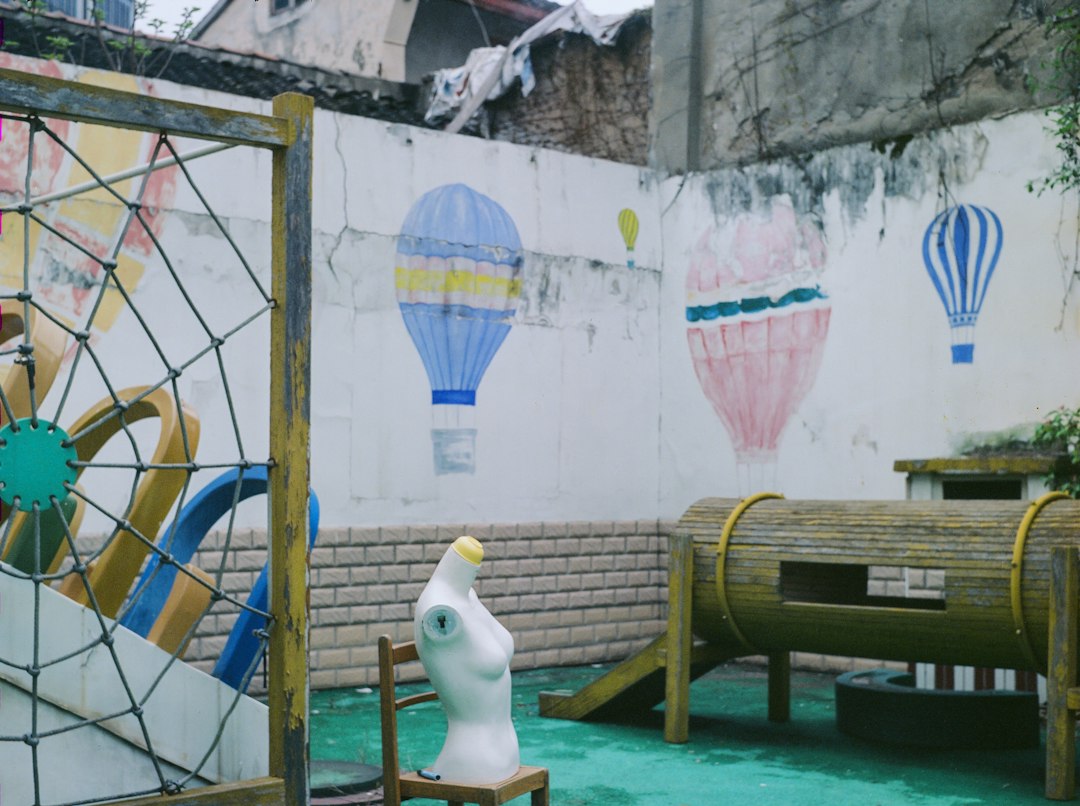
Color plays a pivotal role in child development, influencing emotions, behaviors, and even cognitive processes. From the moment a child is born, they are surrounded by a world filled with colors that can evoke various feelings and reactions. Research has shown that colors can affect mood and energy levels, making them an essential aspect of environments where children learn and play. Bright colors like red and yellow can stimulate excitement and energy, while softer hues such as blue and green can promote calmness and focus. Understanding these effects allows caregivers and educators to create spaces that foster optimal development.
Moreover, color can also impact a child’s ability to concentrate and engage with their surroundings. For instance, a well-designed play area that incorporates a thoughtful color palette can enhance a child’s ability to explore and learn. Children are naturally drawn to vibrant colors, which can spark curiosity and encourage imaginative play. By recognizing the significance of color in their environments, parents and educators can better support children’s emotional and cognitive growth.
To foster creativity in children’s play areas through dynamic colors, it’s essential to understand the impact of color selection. An insightful article that delves into the importance of choosing the right color scheme can be found at How to Select the Perfect Color Scheme for Your Website. This resource provides valuable tips on how colors influence mood and creativity, which can be applied to designing vibrant and engaging play spaces for children.
How Dynamic Colors Stimulate Creativity in Kids
Dynamic colors have a unique ability to stimulate creativity in children, acting as a catalyst for imaginative thinking and exploration. Bright, bold colors can ignite a child’s imagination, encouraging them to express themselves freely through art, play, and storytelling. When children are surrounded by vibrant hues, they are more likely to engage in creative activities, as these colors evoke feelings of joy and excitement. For example, a playroom adorned with lively colors can inspire children to create their own narratives, transforming simple toys into characters in an elaborate story.
Additionally, the use of dynamic colors can enhance problem-solving skills. When children interact with colorful materials—be it through art supplies or toys—they are often prompted to think outside the box. The visual stimulation provided by bright colors encourages experimentation and innovation, allowing children to explore different possibilities in their play. This exploration not only nurtures creativity but also builds confidence as they learn to make choices and express their ideas.
Choosing the Right Color Palette for Play Areas
Selecting the appropriate color palette for play areas is crucial for creating an environment that promotes engagement and learning. A well-thought-out color scheme can set the tone for the space, influencing how children interact with their surroundings. For instance, incorporating a mix of warm and cool colors can create a balanced atmosphere that encourages both energetic play and moments of calm reflection. Warm colors like orange and yellow can energize the space, while cooler shades like blue and green can provide a soothing backdrop.
When choosing colors, it is also essential to consider the age group of the children who will be using the space. Younger children may benefit from brighter, more stimulating colors that capture their attention, while older children might prefer more subdued tones that allow for deeper concentration during activities like reading or crafting. Ultimately, the goal is to create a harmonious environment that caters to various developmental needs while fostering creativity and exploration.
Incorporating Bright and Bold Colors Effectively
Incorporating bright and bold colors into play areas requires careful consideration to ensure that the space remains inviting without becoming overwhelming. One effective approach is to use vibrant colors as accents rather than dominating the entire space. For example, painting one wall in a bold hue or using colorful furniture pieces can create focal points that draw attention without saturating the entire environment. This technique allows for visual stimulation while maintaining a sense of balance.
Another strategy is to combine bright colors with neutral tones. By pairing vibrant shades with softer colors like white or beige, caregivers can create an inviting atmosphere that encourages exploration without overstimulation. This balance allows children to enjoy the benefits of dynamic colors while providing areas for relaxation and focus. Thoughtful incorporation of color can transform play spaces into vibrant havens that inspire creativity and joy.
Encouraging creativity in children’s play areas through dynamic colors can significantly enhance their imaginative experiences. For more insights on how color impacts different environments, you might find it interesting to explore an article about creating a colorful and relaxing bedroom. This resource provides valuable tips on using vibrant hues to foster a soothing atmosphere, which can also be applied to play spaces. You can read more about it here.
Using Color Psychology to Enhance Playtime
Color psychology offers valuable insights into how different hues can influence children’s emotions and behaviors during playtime. For instance, studies have shown that yellow is often associated with happiness and optimism, making it an excellent choice for areas designated for active play. Conversely, blue is linked to tranquility and focus, making it ideal for spaces where children engage in quieter activities like reading or puzzles.
By understanding these psychological associations, caregivers can strategically select colors that align with the desired outcomes of playtime activities. For example, if a caregiver wants to encourage collaboration among children during group activities, incorporating shades of green—often associated with harmony—can foster a sense of community. By leveraging color psychology, caregivers can create environments that not only enhance play but also support emotional well-being.
Creative Wall Art and Murals to Inspire Imagination
Creative wall art and murals serve as powerful tools for inspiring imagination in children’s play areas. These artistic elements can transform blank walls into vibrant canvases that tell stories or depict fantastical landscapes. Murals featuring whimsical characters or enchanting scenes can transport children into imaginative worlds where they can explore their creativity freely. Such visual stimuli encourage storytelling and role-playing, enriching the overall play experience.
Moreover, involving children in the creation of wall art can further enhance their sense of ownership over the space. Collaborative projects where children contribute their ideas or artwork foster a sense of community and belonging. This engagement not only nurtures creativity but also strengthens social bonds among peers as they work together toward a common goal. Ultimately, creative wall art becomes more than just decoration; it becomes an integral part of the play experience.
Colorful Furniture and Toys That Encourage Exploration
Colorful furniture and toys are essential components of play areas designed to encourage exploration and creativity. Brightly colored chairs, tables, and storage units not only add visual appeal but also invite children to engage with their environment actively. For instance, a vibrant play table can become the centerpiece for imaginative games or collaborative projects, while colorful storage bins make tidying up feel like part of the fun.
Toys that incorporate dynamic colors also play a significant role in stimulating exploration. Building blocks in various hues encourage children to experiment with shapes and structures while fostering fine motor skills. Similarly, art supplies like crayons or paints in an array of colors inspire artistic expression and creativity. By providing colorful furniture and toys, caregivers create an environment where exploration is not only encouraged but celebrated.
Balancing Vibrant Colors with Soothing Tones
While vibrant colors are essential for stimulating creativity and engagement, balancing them with soothing tones is equally important for creating a harmonious environment. Overly bright spaces can lead to overstimulation, making it challenging for children to focus or relax. Therefore, incorporating calming hues alongside dynamic colors helps create a well-rounded atmosphere conducive to various activities.
Soft pastels or neutral shades can serve as grounding elements within a colorful space. For example, pairing bright yellow accents with soft gray walls creates an inviting atmosphere that balances energy with tranquility. This thoughtful approach allows children to enjoy the benefits of vibrant colors while providing areas where they can unwind or concentrate on quieter tasks. Ultimately, achieving this balance enhances the overall experience within play areas.
DIY Projects to Add Dynamic Colors to Play Spaces
Engaging in DIY projects is an excellent way to infuse dynamic colors into children’s play spaces while fostering creativity among caregivers and children alike. Simple projects such as painting furniture or creating colorful wall art allow families to personalize their environments while encouraging collaboration. For instance, transforming an old bookshelf into a rainbow display by painting each shelf a different color not only adds vibrancy but also creates an engaging focal point.
Additionally, DIY projects can involve creating colorful sensory boards or interactive wall displays that stimulate exploration through touch and sight. These hands-on activities provide opportunities for children to engage with their environment creatively while developing fine motor skills. By incorporating DIY projects into play spaces, families can cultivate an atmosphere filled with dynamic colors that reflect their unique personalities.
Safety Considerations When Selecting Paints and Materials
When selecting paints and materials for colorful play areas, safety should always be a top priority. It is essential to choose non-toxic paints free from harmful chemicals such as volatile organic compounds (VOCs). These paints not only ensure a safe environment for children but also contribute to better indoor air quality. Additionally, opting for water-based paints can minimize exposure to harmful substances while providing vibrant color options.
Furthermore, caregivers should consider the durability of materials used in play areas. Choosing furniture made from safe materials that can withstand wear and tear ensures longevity while maintaining safety standards. Regularly inspecting toys for any signs of damage or wear is also crucial in preventing accidents during playtime. By prioritizing safety when selecting paints and materials, caregivers create colorful environments that promote both creativity and well-being.
Real-Life Examples: Transforming Play Areas with Color
Numerous real-life examples illustrate how thoughtful use of color can transform play areas into vibrant spaces that inspire creativity and exploration. One notable case involved a community center that revamped its children’s area by incorporating bright murals depicting nature scenes filled with animals and plants. This transformation not only enhanced the visual appeal but also encouraged storytelling among children as they engaged with the artwork.
Another example comes from a family who redesigned their home playroom by painting one wall with chalkboard paint in vivid hues while keeping other walls in softer tones. This combination allowed for dynamic artistic expression while providing calming spaces for focused activities like reading or puzzles. These real-life transformations demonstrate how intentional use of color can create engaging environments that foster imagination and joy in children’s play experiences.
In conclusion, understanding the role of color in child development is essential for creating engaging play spaces that nurture creativity and exploration. By thoughtfully incorporating dynamic colors alongside soothing tones, caregivers can design environments that inspire imaginative play while promoting emotional well-being. Through DIY projects, creative wall art, colorful furniture, and toys, families have numerous opportunities to personalize their spaces while prioritizing safety considerations. Ultimately, these efforts culminate in vibrant havens where children can thrive emotionally and cognitively through the power of color.


