
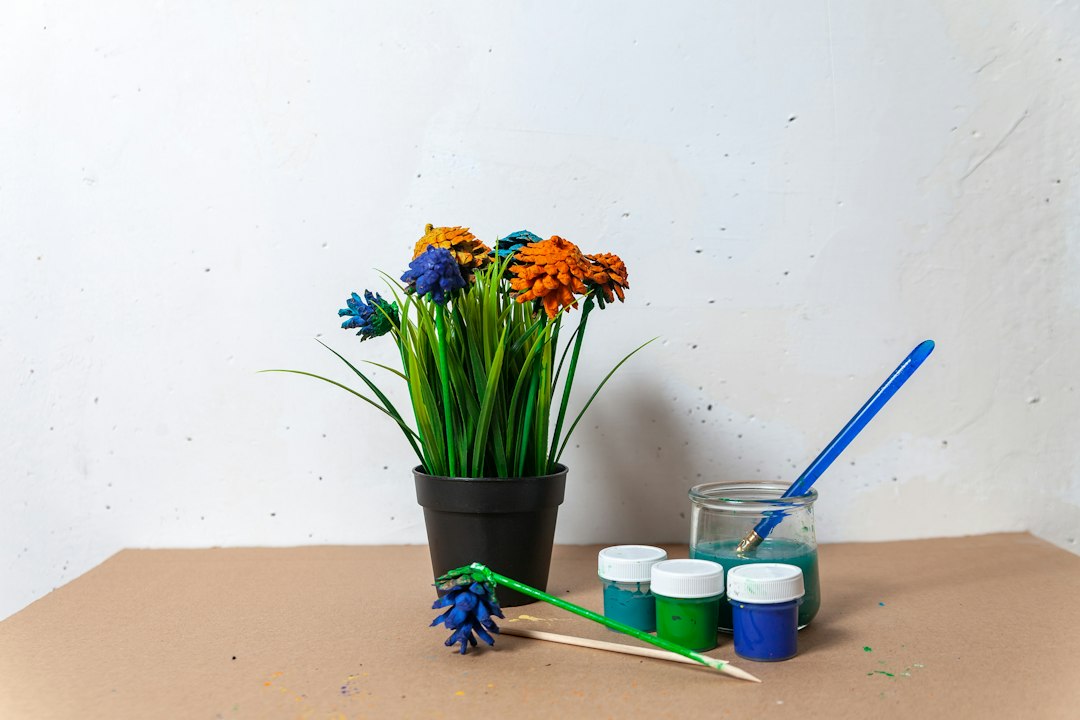
In recent years, the trend of DIY flower pot painting has blossomed into a beloved pastime for many gardening enthusiasts and creative individuals alike. This engaging activity not only allows people to express their artistic flair but also enhances the aesthetic appeal of their gardens and indoor spaces. By transforming ordinary terracotta pots into vibrant works of art, individuals can personalize their gardening experience and create unique decor that reflects their personality and style. The joy of painting flower pots lies in the freedom to experiment with colors, patterns, and designs, making it an ideal project for both seasoned artists and novices.
Moreover, flower pot painting serves as a wonderful opportunity for bonding with family and friends. Whether it’s a weekend gathering or a rainy afternoon indoors, this creative endeavor can bring people together, fostering collaboration and shared enjoyment. As participants immerse themselves in the process of selecting colors and applying paint, they not only create beautiful pieces but also memories that will last a lifetime. With the right materials and techniques, anyone can embark on this delightful journey of self-expression through flower pot painting.
If you’re looking for creative ways to enhance your weekend activities, consider painting your own flower pots, as suggested in the article “Idei de activități de weekend cum să îți pictezi singur ghivecele de flori.” This fun and artistic project can add a personal touch to your garden or indoor plants. Additionally, for more inspiration on creating a vibrant atmosphere in your home, check out this related article on how to create a colorful and inviting workspace at True Colours Blog.
Essential Materials for Flower Pot Painting
Before diving into the world of flower pot painting, it is crucial to gather the necessary materials to ensure a smooth and enjoyable experience. The primary item needed is, of course, the flower pots themselves. Terracotta pots are a popular choice due to their porous nature, which allows paint to adhere well. However, ceramic or plastic pots can also be used, depending on personal preference and the desired finish. In addition to pots, a variety of paints are essential for achieving vibrant results. Acrylic paints are favored for their versatility and quick-drying properties, while outdoor paints offer durability against the elements.
In addition to paint, brushes of various sizes will be needed to create different effects and details. A set of fine-tipped brushes is particularly useful for intricate designs, while broader brushes can cover larger areas quickly. Other helpful tools include sponges for texture, painter’s tape for clean lines, and stencils for those who prefer a guided approach to their artwork. Lastly, a sealant is necessary to protect the finished product from weathering and fading, ensuring that the painted pots remain beautiful for years to come.
Choosing the Right Flower Pots for Your Project
Selecting the right flower pots is a pivotal step in the DIY flower pot painting process. While terracotta pots are often the go-to choice due to their classic look and affordability, individuals may also consider other materials based on their specific needs and aesthetic preferences. For instance, ceramic pots come in a variety of colors and finishes, providing an elegant option that can complement any garden theme. On the other hand, plastic pots are lightweight and durable, making them ideal for outdoor use where they may be exposed to harsh weather conditions.
When choosing pots, size also plays an important role. Larger pots offer more surface area for painting and can serve as statement pieces in a garden or patio setting. Conversely, smaller pots are perfect for creating clusters or arrangements that add visual interest without overwhelming a space. Additionally, individuals should consider the shape of the pots; unique shapes can inspire creative designs that enhance the overall look of the painted pieces. Ultimately, selecting the right flower pots sets the foundation for a successful painting project that aligns with one’s artistic vision.
Preparing Your Pots: Cleaning and Priming Tips
Preparation is key when it comes to flower pot painting. Before applying any paint, it is essential to clean the pots thoroughly to remove any dust or residue that could interfere with adhesion. A simple wash with warm soapy water followed by a rinse will suffice for most materials. For terracotta pots, it may be beneficial to soak them in water for a few hours to ensure that they are adequately moistened; this helps prevent the paint from soaking into the porous surface too quickly.
Once cleaned, priming the pots can enhance the final outcome of the painted design. A coat of primer creates a smooth base that allows paint to adhere better and provides a more vibrant finish. For terracotta pots, an acrylic primer works well; however, individuals should ensure that it is suitable for outdoor use if the pots will be placed outside. After priming, allowing the pots to dry completely is crucial before moving on to the painting phase. This preparation process not only ensures better results but also sets the stage for a more enjoyable painting experience.
If you’re looking for creative ways to enhance your gardening experience, consider exploring the idea of painting your own flower pots. This DIY activity not only allows you to express your artistic side but also adds a personal touch to your garden. For more inspiration on colorful projects, you might find this article on creating colorful artwork particularly helpful. It offers tips that can elevate your painting skills and help you choose the perfect colors for your flower pots.
Basic Painting Techniques for Beginners
For those new to flower pot painting, mastering some basic techniques can significantly enhance their artistic endeavors. One of the simplest methods is using solid colors to create a bold statement. This technique involves applying one or two coats of paint evenly across the surface of the pot using a brush or sponge. For those looking to add depth and dimension, blending two or more colors while the paint is still wet can create beautiful gradients that mimic natural elements.
Another technique beginners may explore is sponging or stippling, which involves using a sponge or brush to dab paint onto the surface rather than applying it in smooth strokes. This method can produce interesting textures and patterns that add character to the painted pots. Additionally, experimenting with layering different colors can yield stunning effects; by allowing each layer to dry before adding another, individuals can create intricate designs that showcase their creativity. With practice and experimentation, even novice painters can develop their unique style and approach to flower pot painting.
If you’re looking for creative ways to personalize your home, consider exploring the idea of painting your own flower pots, which can add a unique touch to your garden or indoor plants. For more inspiration on how to choose the perfect colors for your projects, you might find this article on selecting the right colors particularly helpful. Not only can it guide you in picking hues that complement your style, but it can also enhance the overall aesthetic of your painted flower pots.
Creative Design Ideas: Patterns and Themes
The possibilities for creative designs in flower pot painting are virtually limitless. Individuals can draw inspiration from nature by incorporating floral motifs or leaf patterns that resonate with their gardening aesthetic. Geometric shapes are another popular choice; simple triangles or circles can be arranged in eye-catching patterns that add a modern touch to traditional pots. For those who enjoy whimsical themes, incorporating animals or playful characters can bring a sense of joy and personality to any garden space.
Seasonal themes also provide an excellent opportunity for creativity. For instance, individuals may choose to paint autumn leaves during fall or vibrant flowers during springtime. Holiday-themed designs can also be fun; painting snowflakes or festive ornaments during winter can transform ordinary pots into cheerful decorations that celebrate the season. By exploring various themes and patterns, individuals can create painted pots that not only serve as functional planters but also as captivating pieces of art.
Using Stencils and Tape for Precise Artwork
For those who desire precision in their designs, utilizing stencils and painter’s tape can be incredibly beneficial. Stencils allow individuals to create intricate patterns without needing advanced painting skills; they provide a guide that ensures consistent shapes and sizes across multiple pots. Many craft stores offer a wide variety of stencils featuring everything from floral designs to geometric patterns, making it easy for anyone to find something that suits their style.
Painter’s tape is another valuable tool for achieving clean lines and sharp edges in painted designs. By applying tape strategically around areas where different colors will meet, individuals can prevent paint from bleeding into unwanted spaces. This technique is particularly useful when creating stripes or multi-colored sections on flower pots. Once the paint has dried, carefully removing the tape reveals crisp lines that enhance the overall appearance of the artwork. By incorporating stencils and tape into their projects, individuals can elevate their flower pot painting skills while achieving professional-looking results.
Adding Personal Touches with Hand-Painted Details
While stencils and tape provide structure to painted designs, adding personal touches through hand-painted details can truly make each flower pot unique. Individuals may choose to incorporate their initials or meaningful quotes onto their pots as a way of personalizing them further. Hand-painted embellishments such as dots, swirls, or small illustrations can also enhance the overall design while showcasing individual creativity.
Moreover, experimenting with different brush techniques can yield fascinating results when adding these details. For instance, using a fine brush to create delicate lines or dots can add an intricate touch that contrasts beautifully with bolder painted areas. Additionally, layering colors within these details can create depth and interest that draws the eye in. By embracing their artistic instincts and adding personal touches, individuals can transform their painted flower pots into cherished pieces that reflect their unique personalities.
Sealing and Protecting Your Painted Pots
Once the painting process is complete, sealing the finished product is essential for preserving its beauty over time. A clear sealant not only protects against fading from sunlight but also guards against moisture damage if the pots are placed outdoors. When selecting a sealant, individuals should opt for one that is specifically designed for use on painted surfaces; this ensures compatibility with acrylic paints and provides optimal protection.
Applying sealant is straightforward; individuals should ensure that their painted pots are completely dry before proceeding. A spray sealant offers an even coat without disturbing the paint underneath, while a brush-on sealant allows for more control over application in detailed areas. Regardless of the method chosen, allowing adequate drying time between coats is crucial for achieving a durable finish. By taking this final step in the process, individuals can enjoy their beautifully painted flower pots without worrying about wear and tear from environmental factors.
Incorporating Painted Pots into Your Garden Decor
Once completed, painted flower pots can serve as stunning focal points within any garden or outdoor space. Arranging them in clusters of varying heights creates visual interest while showcasing different plants or flowers within each pot. Placing larger painted pots at strategic points along pathways or entrances draws attention and invites visitors into the garden oasis.
Additionally, incorporating painted pots into existing garden decor enhances overall aesthetics while providing functional planting options. Hanging painted pots on walls or fences adds dimension to vertical spaces while allowing trailing plants to cascade beautifully downwards. For those with limited outdoor space, using painted pots indoors as decorative accents brings nature inside while maintaining an artistic flair throughout living areas. By thoughtfully integrating these colorful creations into garden decor, individuals can elevate their outdoor spaces into vibrant retreats.
Fun Weekend Project Ideas for All Ages
Flower pot painting is not only an enjoyable activity but also an excellent weekend project suitable for all ages. Families can come together to create personalized planters for each member’s favorite flowers or herbs; this collaborative effort fosters creativity while teaching children about gardening and responsibility in caring for plants. Hosting a flower pot painting party with friends allows participants to share ideas and techniques while enjoying each other’s company.
For those looking for themed projects, organizing seasonal painting sessions can be particularly fun; participants may create holiday-themed pots or designs inspired by upcoming events such as birthdays or anniversaries. Additionally, incorporating educational elements—such as learning about different plant species—can enhance these projects further by combining art with knowledge about nature’s wonders. Ultimately, flower pot painting offers endless opportunities for creativity and connection among individuals of all ages.
In conclusion, DIY flower pot painting presents an exciting avenue for self-expression while enhancing outdoor spaces with personalized decor. With careful preparation and exploration of various techniques and designs, anyone can embark on this fulfilling creative journey that celebrates both art and nature.


